Endsheets are one of those book components that often go unnoticed by readers, but they play a big role in both the structure and visual impact of a finished book. Understanding your endsheet options can help elevate the overall quality of your book.
In this post, we’ll break down what endsheets are, the difference between regular and self endsheets, and how to properly set up printed endsheets for production.
What Are Endsheets?
Endsheets (also called endpapers) are the sheets of paper that sit at the very front and back of a hardcover book. They serve two main purposes:
- Structural support – Endsheets help attach the book’s interior pages to the cover
- Aesthetic appeal – They offer a design opportunity to add color, texture, or printed elements that enhance the reader’s first and last impression.
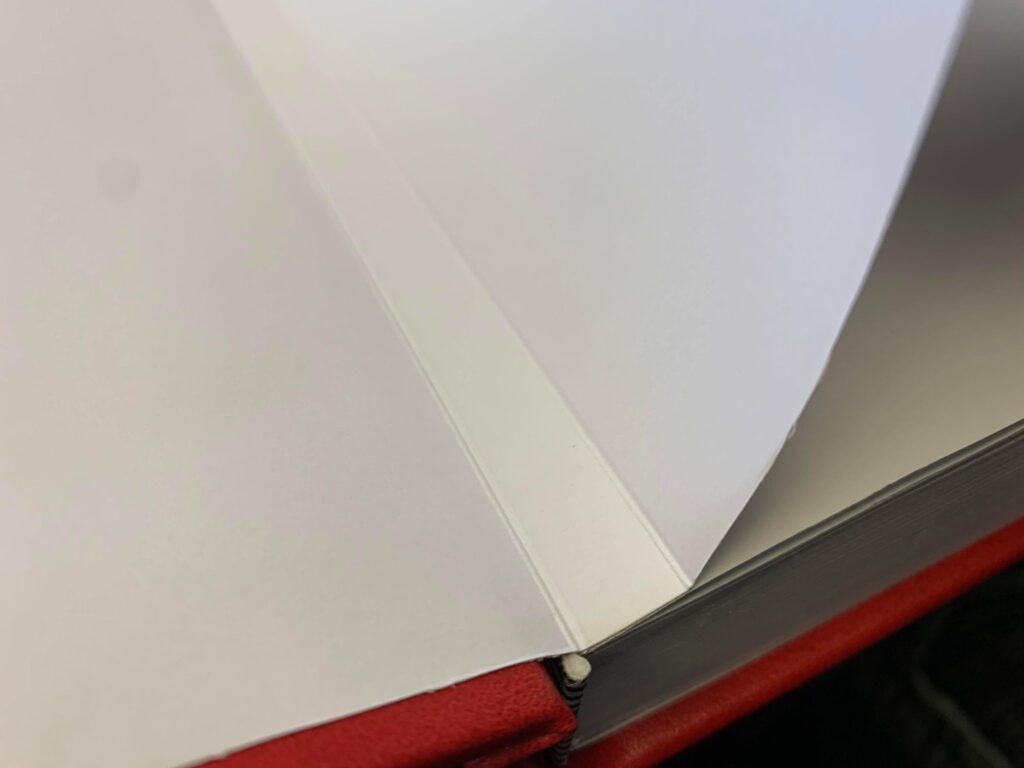
Typically, endsheets consist of a folded sheet:
- One side is glued to the inside cover (the pastedown)
- The other side remains loose (the flyleaf)
What Are Self Endsheets?
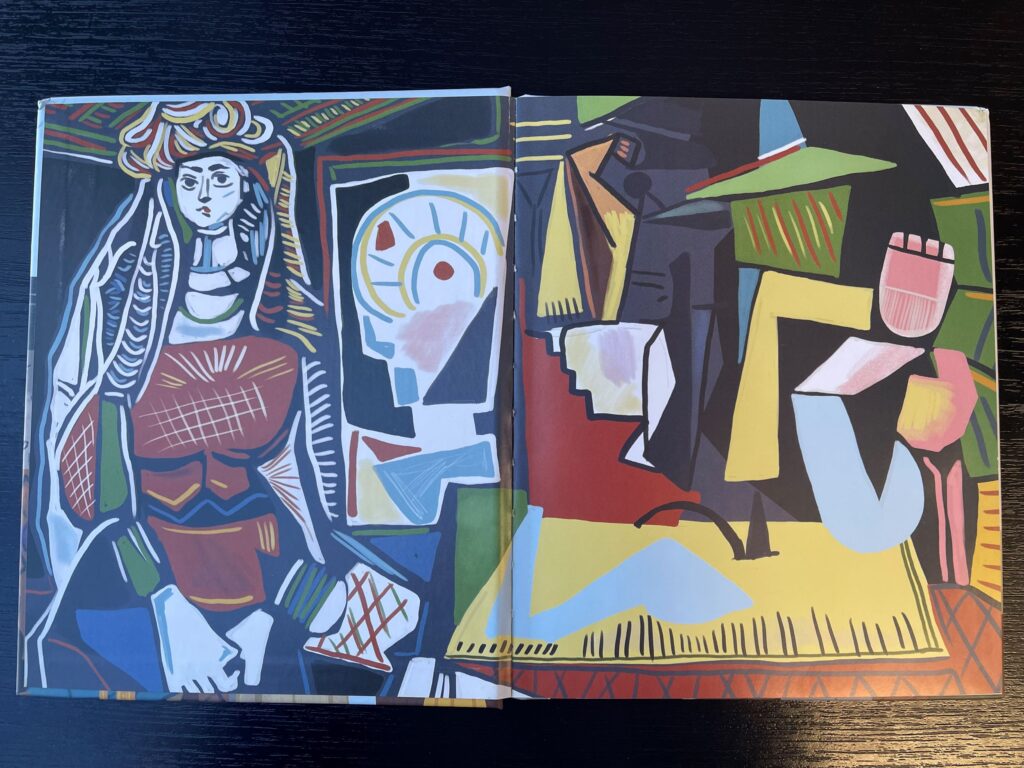
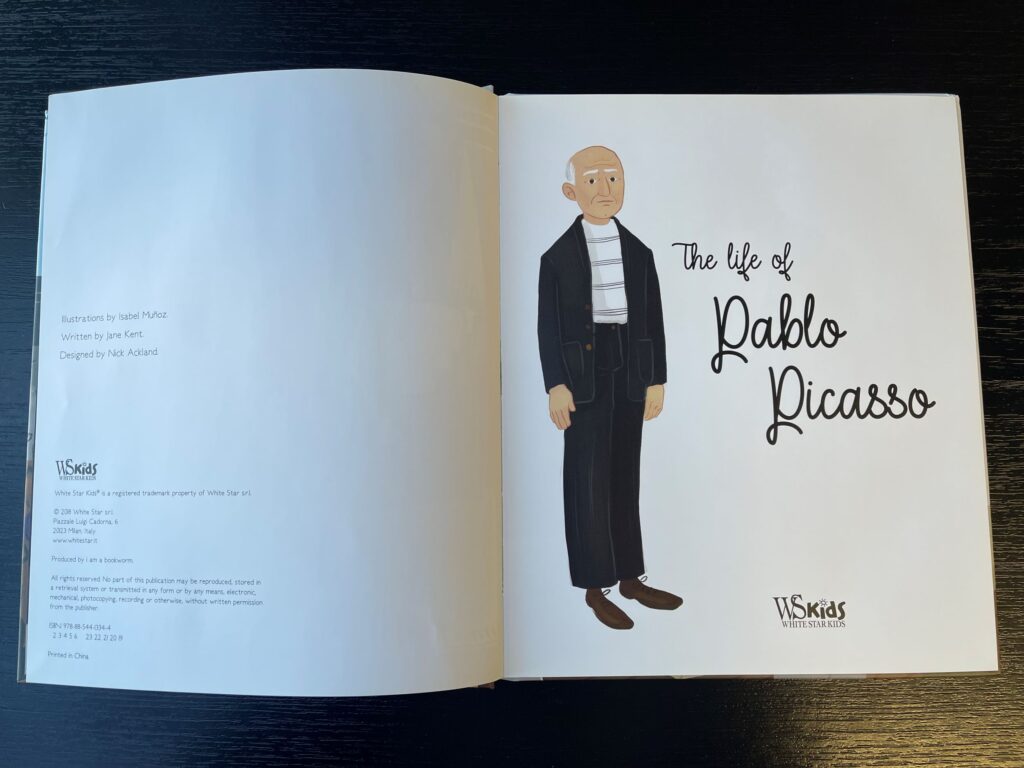
Self endsheets are created using the same paper stock as the interior pages of the book. Instead of adding a separate sheet, the first and last pages of the interior file act as the endsheets. Self endsheets are a better option if your artwork is a spread, as it will reduce the gutter.
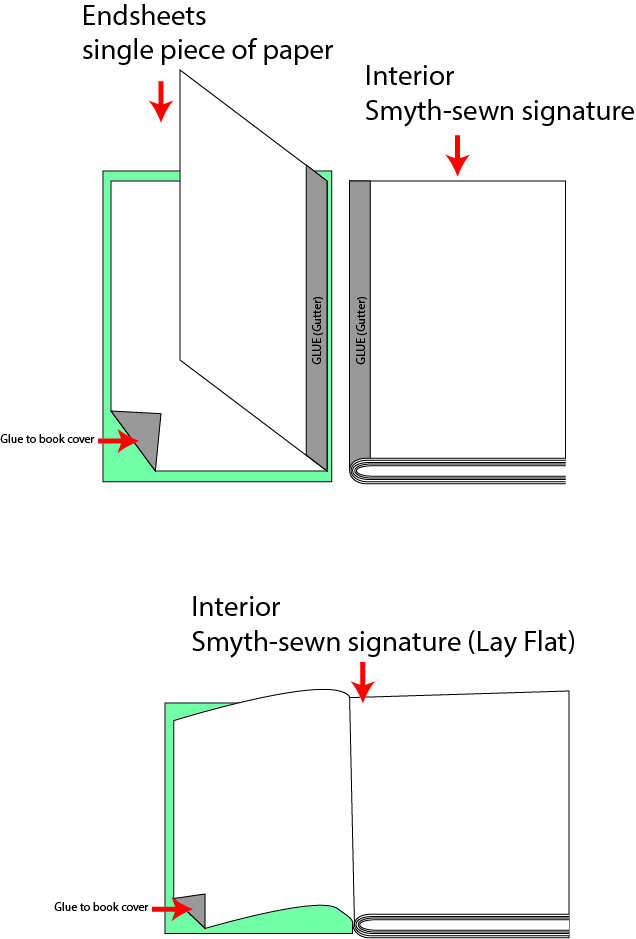
It is important to note that in order to do self endsheets, the interior stock must be at least 100lb.
What Are Printed Endsheets?
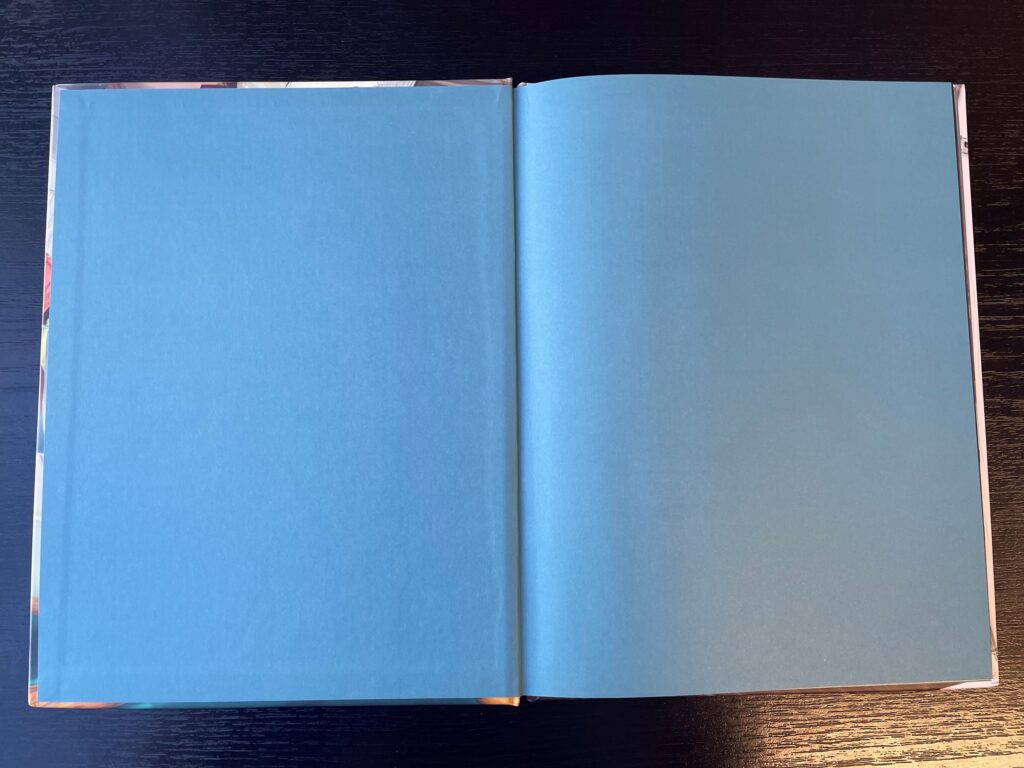
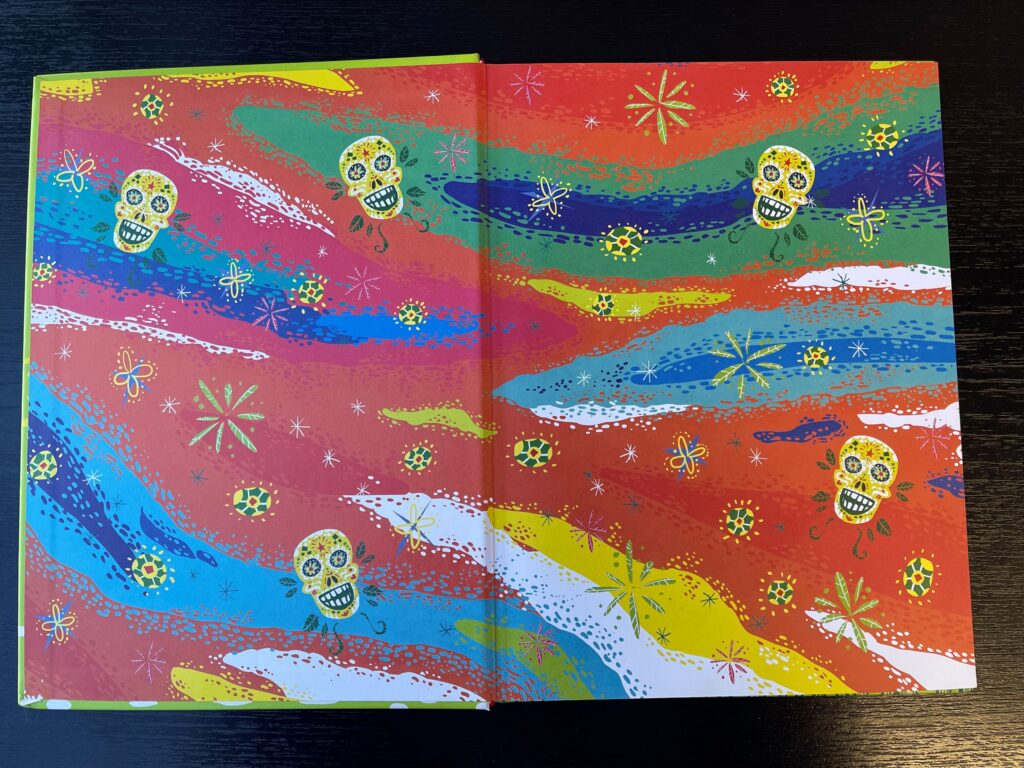
Endsheets have the option to be printed with custom artwork, patterns, maps, branding, or solid colors. They can add a premium, professional feel and are commonly used in children’s books, coffee table books, art books, special editions, and branded publications.
How to Set Up Your Printed Endsheet File
Setting up printed endsheets correctly is important to ensure smooth production and proper binding. Here’s how it’s typically done:
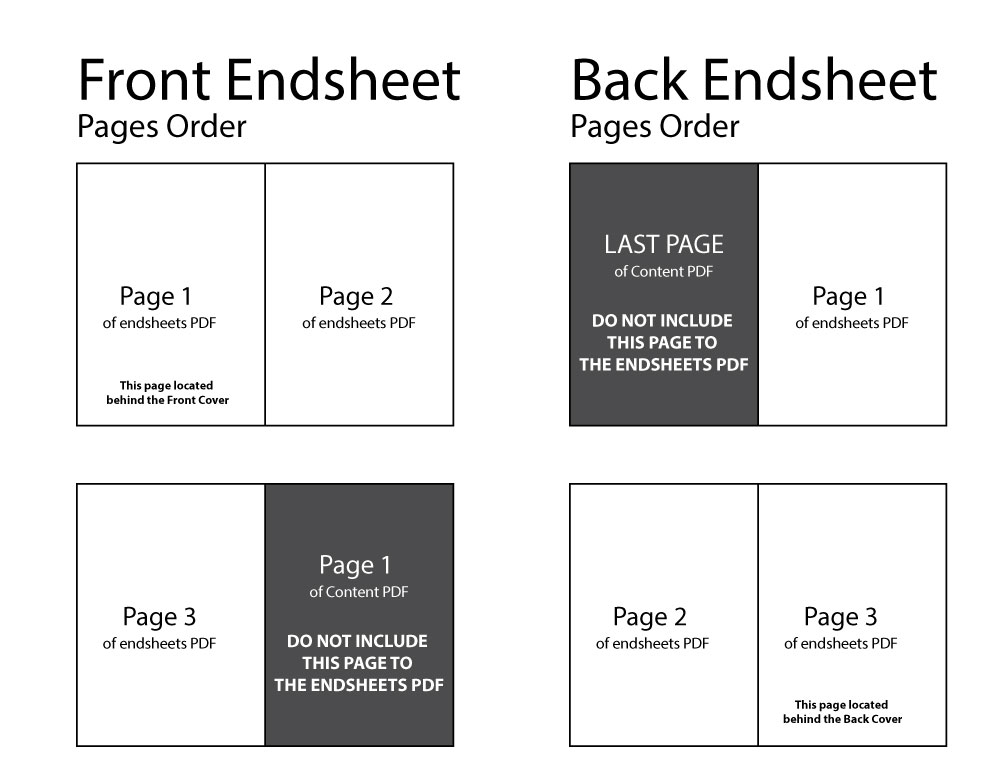
File Setup
- Endsheets should be supplied as 2 separate PDF files; one for the front endsheets and one for the back.
- Each endsheet file represents a single flat sheet, which will be folded during binding. Please refer to the set-up guide above
Layout Guidelines
- Design both sides of the sheet if needed:
- One side for the pastedown
- One side for the flyleaf
- Keep critical text or artwork away from the fold and trim edges.
- Avoid placing important elements too close to the spine edge, as part of the sheet will be glued down.
Choosing the Right Endsheets for Your Book
Endsheets may seem like a small detail, but they’re one of the first things a reader experiences when opening a book. Choosing the right endsheets—and setting them up correctly—can make a lasting impression and add real value to your finished product.
If you’d like help setting up your endsheets or exploring endsheet options for your next book project, feel free to reach out—we’re always happy to help!