When planning a book, many authors focus on the cover design, page count, and binding style—but one of the most important decisions is often overlooked: the paper.
The type of paper you choose affects not only the appearance of your book but also how it feels in the reader’s hands, how images are reproduced, and even the overall cost of printing. Selecting the right paper can make a significant difference in the final product.
Why Paper Choice Matters
Paper does more than hold your words. It influences:
- The readability of your text
- The weight and thickness of your book
- The vibrancy of printed images
- The durability of your finished product
- Your overall printing budget
Understanding your options will help ensure your book looks professional while staying within your budget.
Uncoated Paper
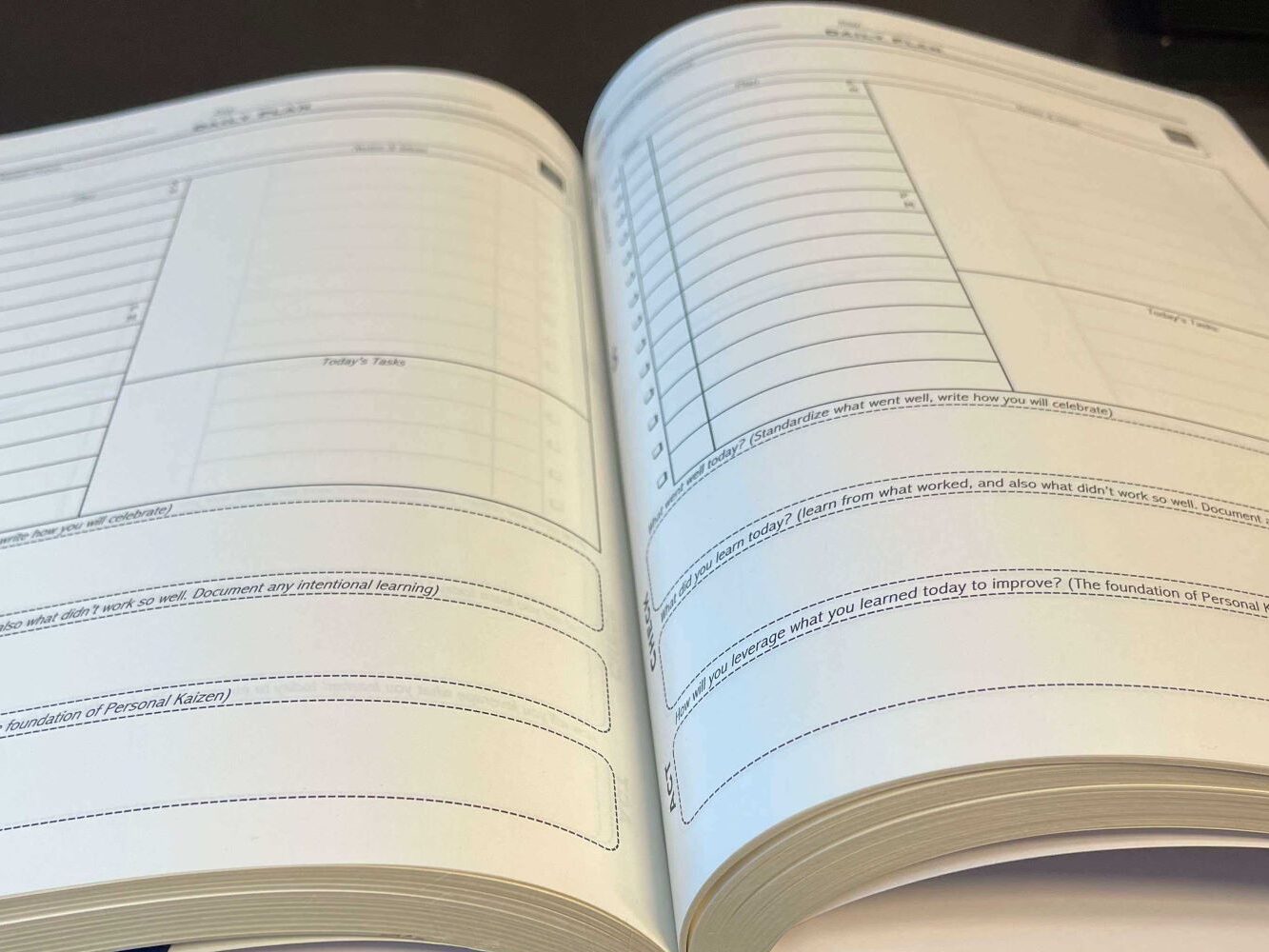
Uncoated paper has a natural, matte finish with no glossy coating applied to the surface. It is the most common choice for text-heavy books because it is comfortable to read and minimizes glare.
Best for:
- Novels
- Memoirs
- Poetry books
- Journals
- Educational books
- Coloring books
Advantages:
- Easy on the eyes during extended reading
- Provides a traditional book feel
- Excellent for black-and-white text
- Can be written on with pens and pencils
- Generally more economical than coated paper
Coated Paper
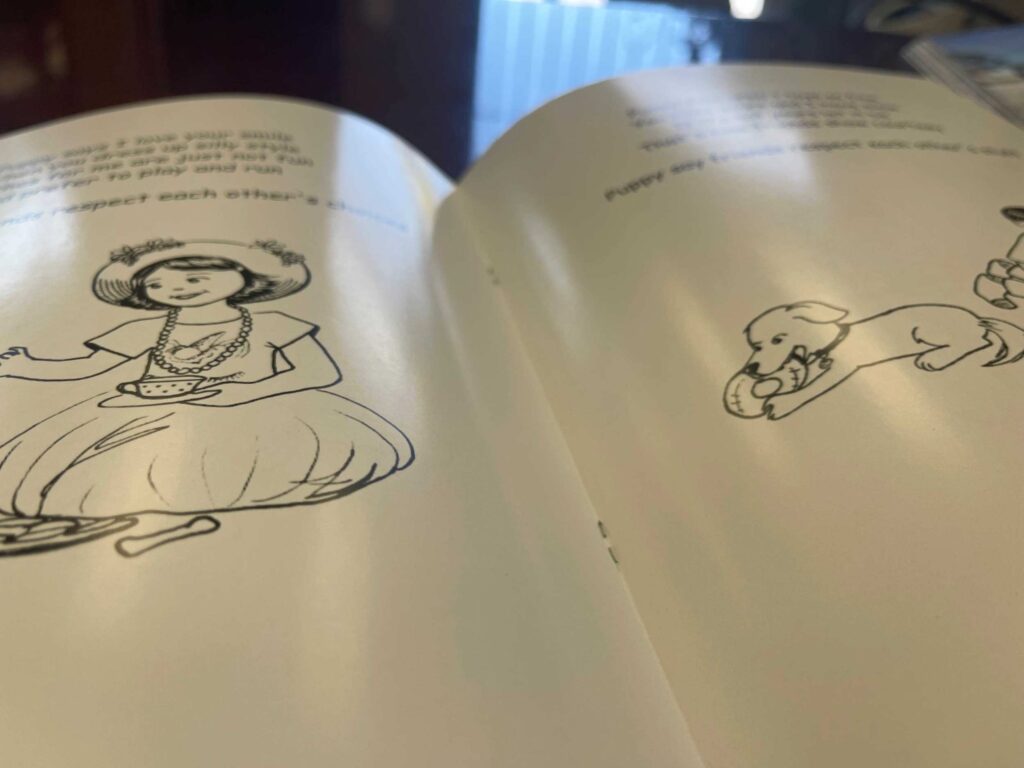
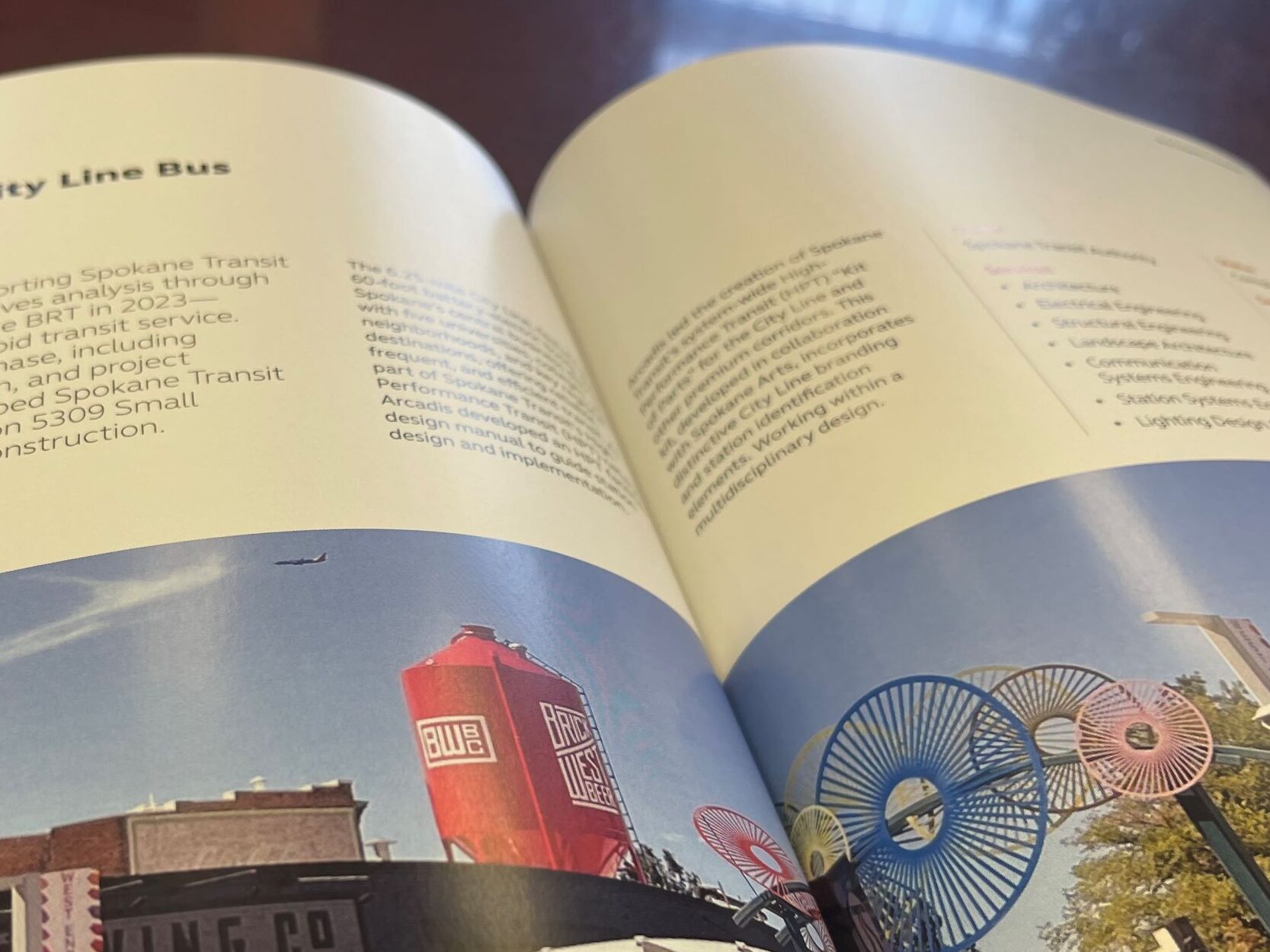
Coated paper has a smooth surface that helps colors appear brighter and images look sharper. It is available in gloss or matte finishes.
Best for:
- Children’s books
- Photography books
- Cookbooks
- Art books
- Catalogues
- Marketing books
Advantages:
- Produces vibrant colours
- Sharp image reproduction
- More resistant to dirt and moisture
- Professional presentation for image-heavy books
If your book contains full-colour illustrations or photographs, coated paper is usually the best option.
White vs. Cream Paper
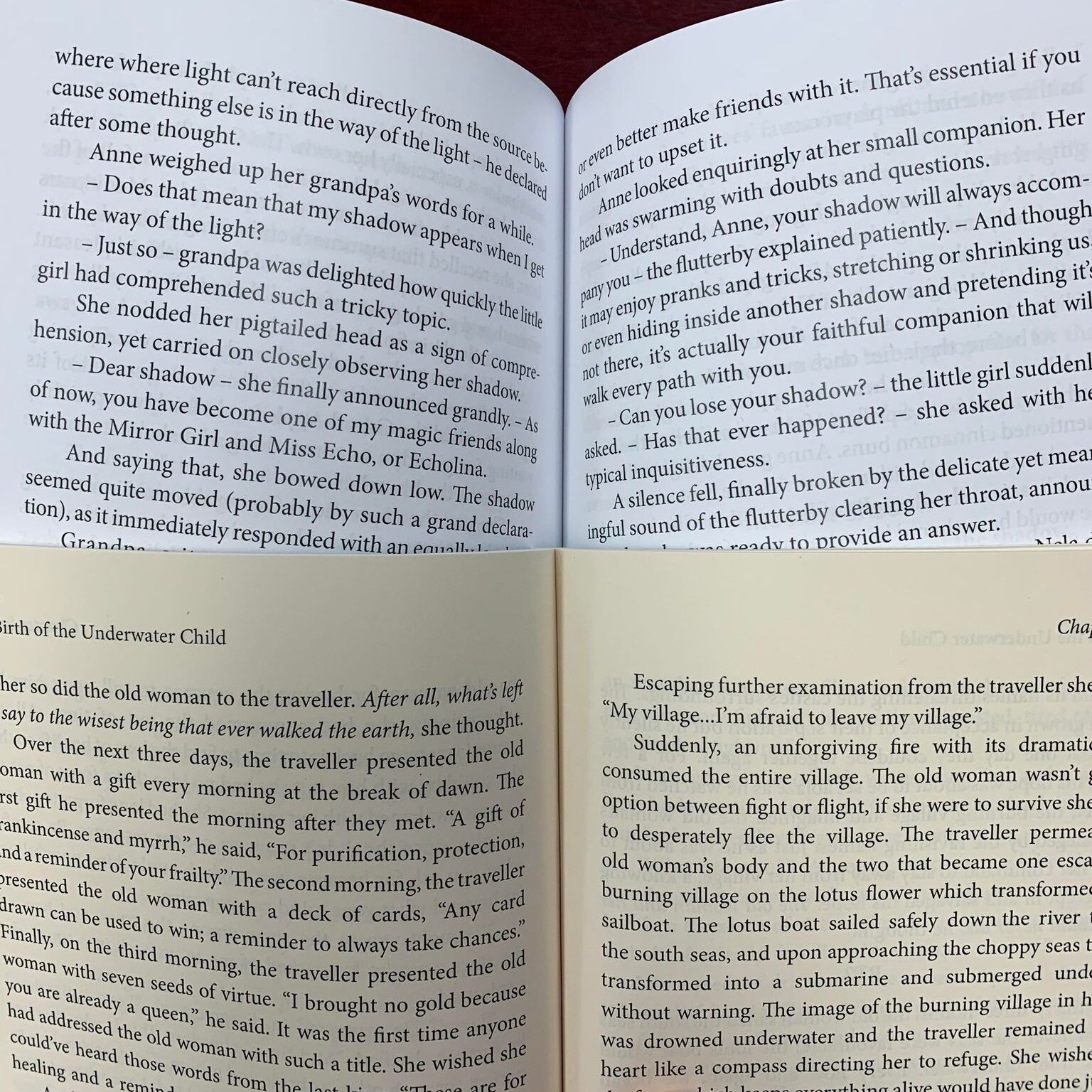
One of the most common questions authors ask is whether to choose white or cream paper.
White Paper
White paper offers maximum contrast, making colours appear vibrant and graphics crisp. It is commonly used for:
- Children’s books
- Colour books
- Manuals
- Workbooks
- Technical publications
Cream Paper
Cream paper has a warmer tone that many readers find easier on the eyes during long reading sessions. It is commonly used for:
- Fiction
- Historical novels
- Memoirs
- Literary works
There is no right or wrong choice—it simply depends on the style of your book and the reading experience you want to create.
Paper Weight
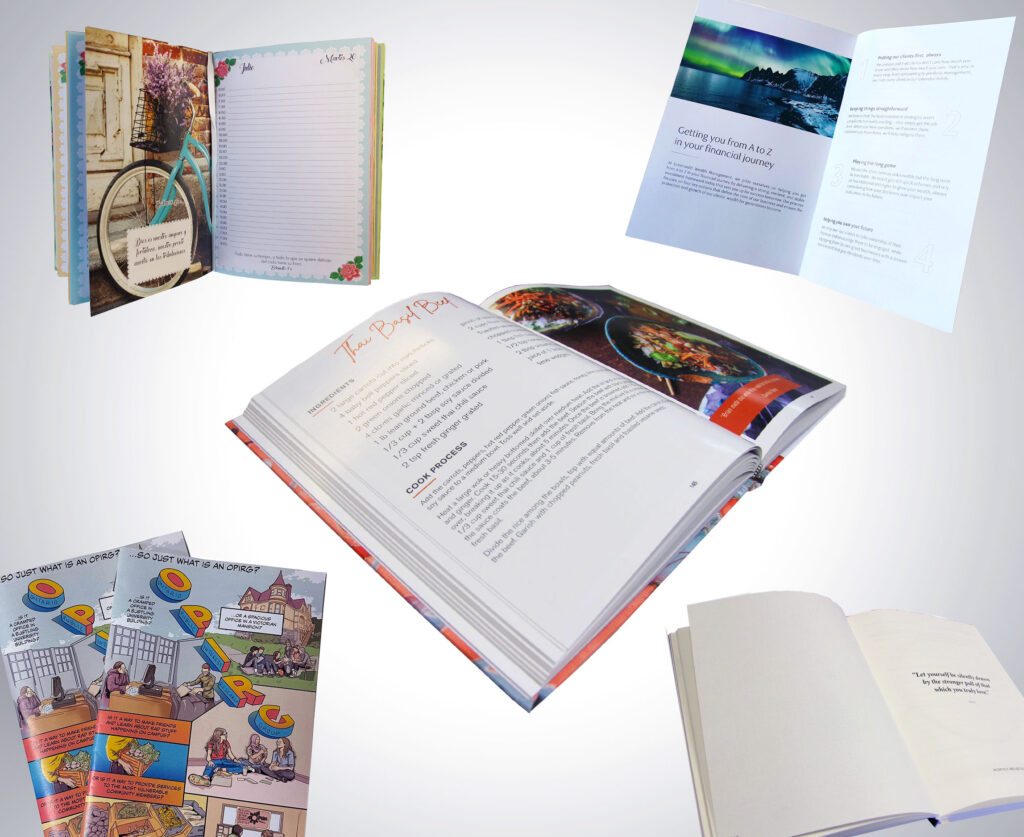
Paper weight affects both the thickness and feel of your book. Lighter paper keeps books thinner and lighter, making it ideal for novels with a high page count. Heavier paper feels more substantial and is often preferred for books containing images or premium publications. For example, standard novels typically use lighter uncoated text stock, while coffee table books usually feature premium heavyweight coated paper to showcase photography.
Consider Your Book’s Purpose
Different books have different paper requirements.
Novels and Memoirs
A lightweight cream uncoated paper creates a comfortable reading experience and keeps the book from becoming unnecessarily thick and heavy
Children’s Books
Bright white coated paper helps colorful illustrations stand out while providing added durability.
Cookbooks
A coated stock is often preferred because it reproduces photographs beautifully and is easier to wipe clean.
Photography and Art Books
High-quality coated paper allows photographs and artwork to display rich colour, fine detail, and excellent contrast.
Workbooks, Journals, and Coloring Books
Heavier, uncoated paper is ideal because readers can easily write and color on the pages without smudging or having color bleed through
Need Help Choosing?
Selecting paper doesn’t have to be confusing. The best choice depends on your book’s content, design, budget, and intended audience.
At Sure Print & Design, we work with authors to recommend the most suitable paper for any project. If you’re unsure which paper is right for your book, our team is happy to guide you through the available options and help you create a finished product you’ll be proud to share.