When a book opens and stays flat—without fighting the spine—it immediately feels more refined, more usable, and more professional. Layflat binding is especially popular for photo books, cookbooks, manuals, textbooks, and premium publications where content needs to be seen clearly across a spread.
But not all layflat bindings are the same. Each method achieves flat opening in a different way, with its own strengths, limitations, and ideal use cases. Below is a practical guide to the most common types of layflat binding and how to choose the right one for your project.
Layflat vs. Stay-Flat Binding
Layflat binding is designed so the book is able to open completely flat at 180°, with little to no resistance at the spine. Pages spread evenly, allowing content to flow smoothly across both. Stay-flat binding allows the book to remain open without being held. The spine still has some structure and resistance, but the pages don’t snap shut.
Smyth-Sewn Binding
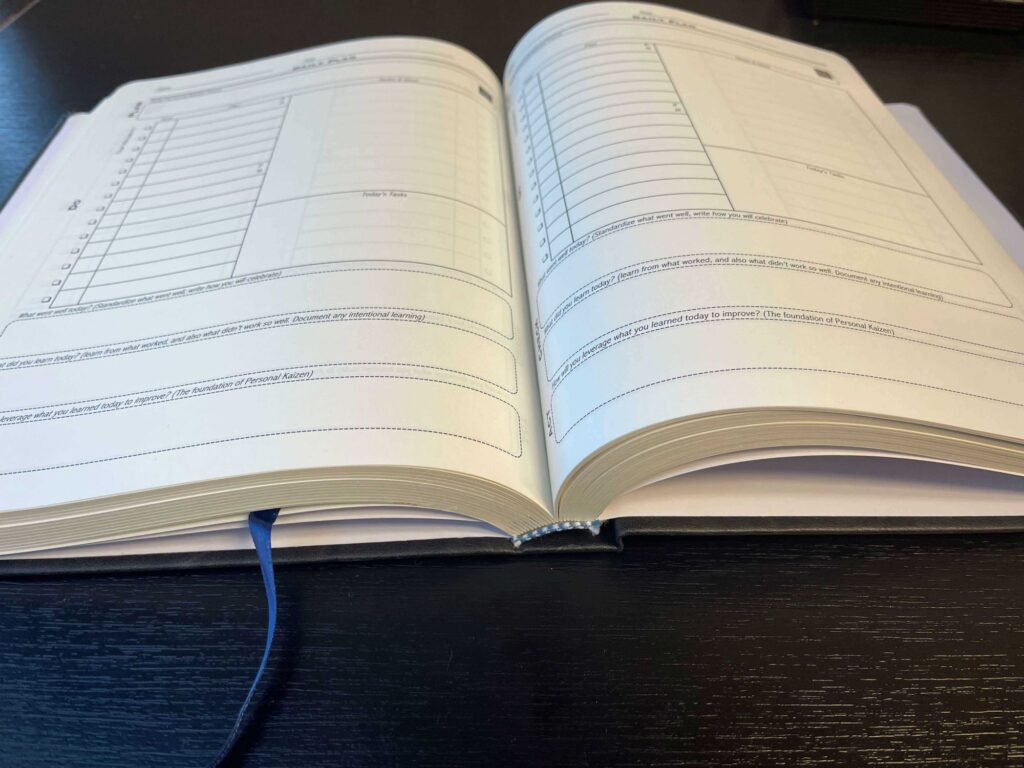
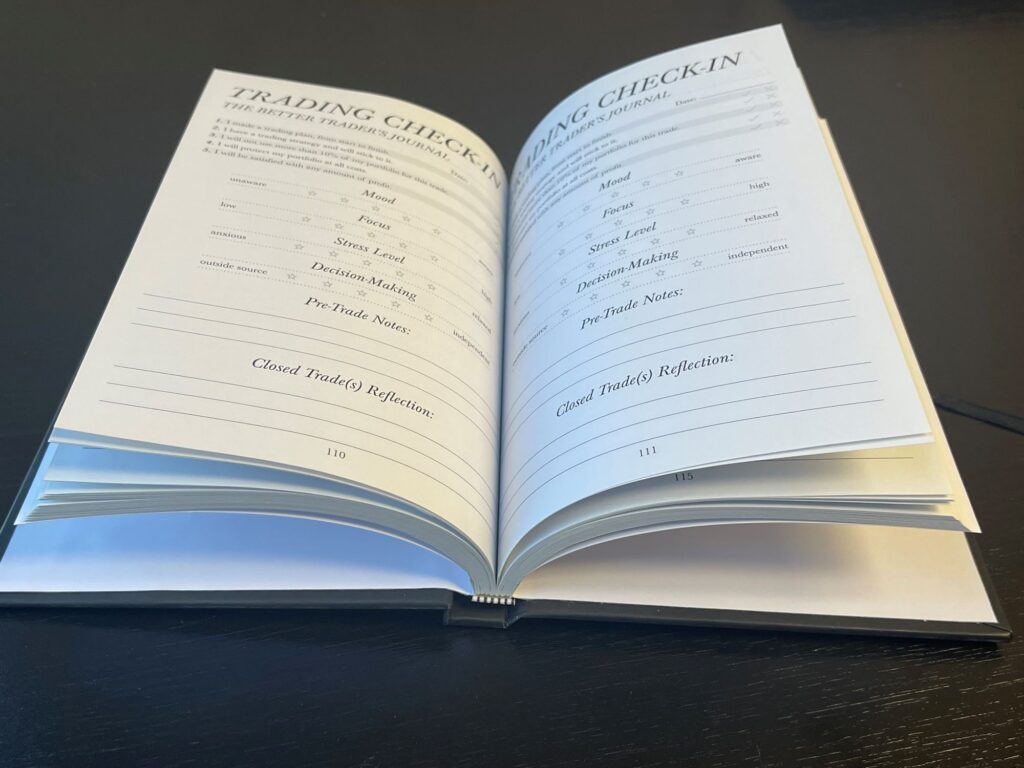
With smyth-sewing, pages are folded into signatures, sewn together with thread, and then case-bound (hardcover) or perfect-bound (softcover). The sewn spine allows the book to flex naturally when opened. Smyth-sewn binding is extremely durable and offers a more professional, traditional feel.
The book opens easily and stays mostly flat, though extremely small trim sizes or very thick paper can reduce flatness. It is important to remember that smyth-sewn books may not lay perfectly flat without holding them open in some cases.
Best for:
- High-quality hardcover books
- Coffee table books
- Textbooks and reference materials
- Publications requiring durability and longevity
Section Sewn Binding
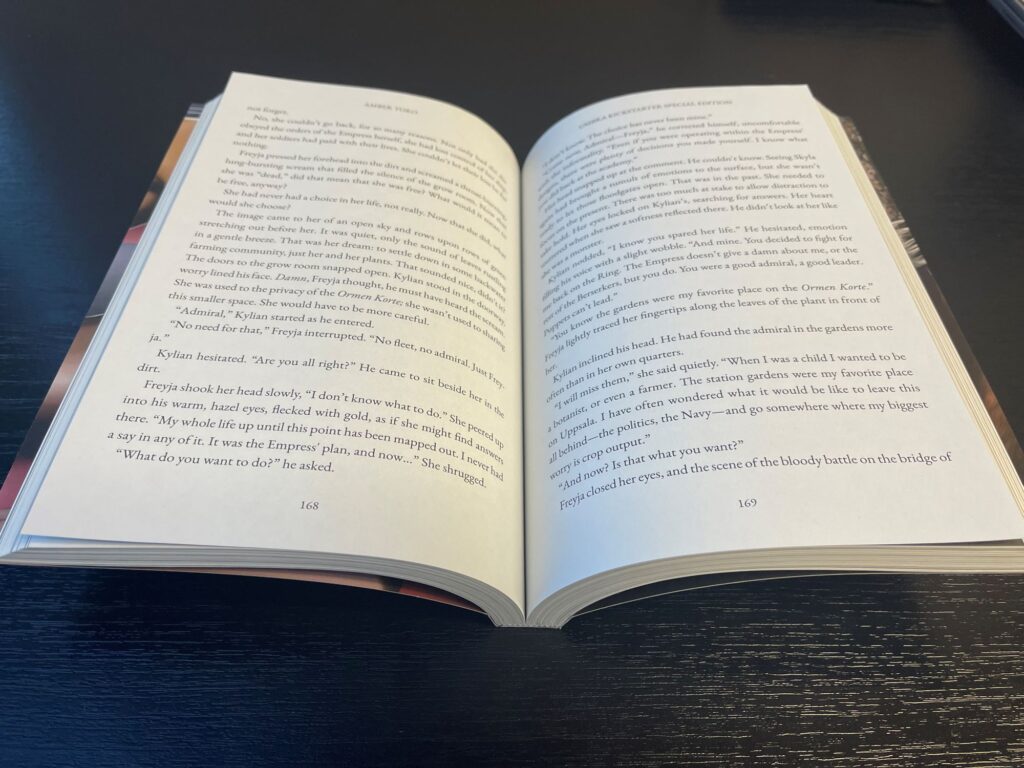
Section-sewn binding is a more traditional and robust method where the book’s pages are sewn together in small groups, or sections, before being glued into the spine and covered. This method is often used for high-quality hardcover or softcover books that require added strength and durability. Due to the intricate process and the labor involved, section-sewn binding is more expensive than glue-bound options.
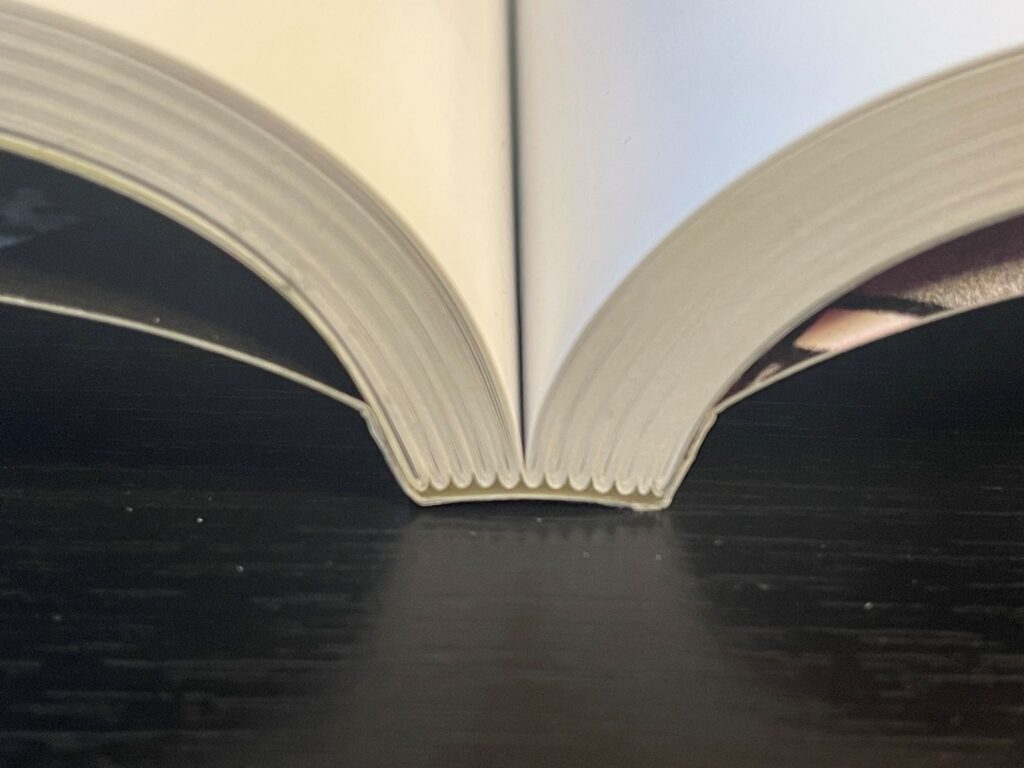
Best for:
- Manuals and workbooks
- Academic and technical publications
- Medium to high page-count books
PUR Layflat Binding
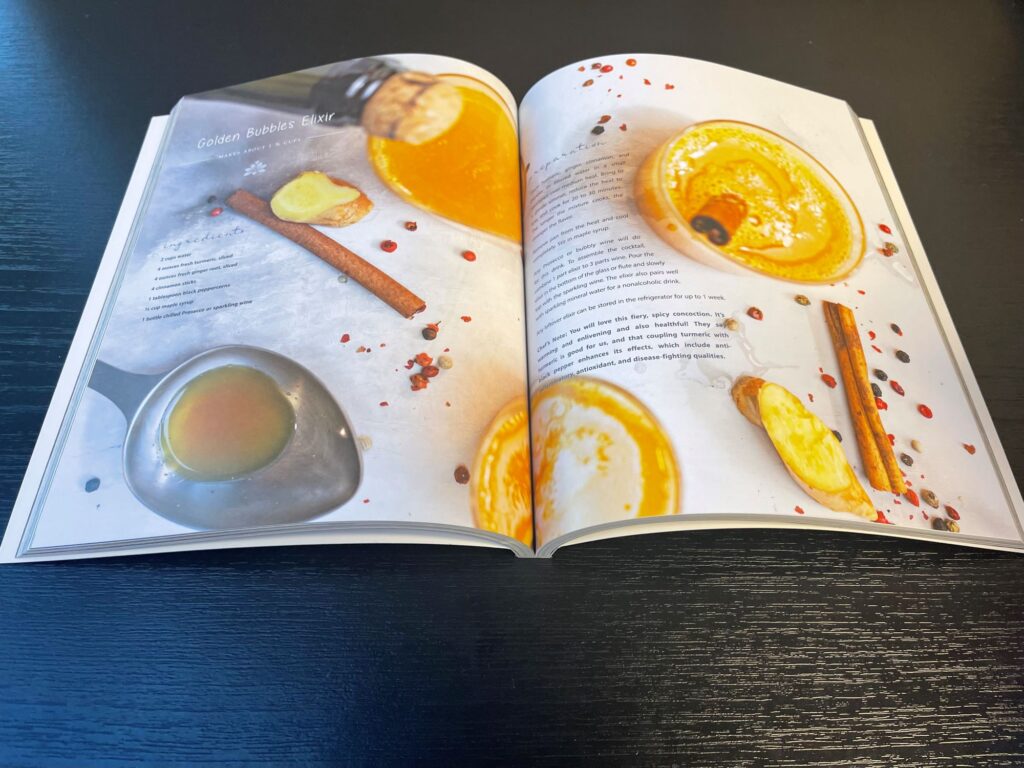
A variation of perfect binding using PUR (polyurethane reactive) adhesive, which is stronger and more flexible than standard EVA glue. When combined with spine notching and proper milling, it allows the book to open flatter than standard perfect binding. Layflat performance can depend on page count and paper type.
Best for:
- Softcover books
- Catalogues and trade books
- Projects needing flexibility with faster turnaround
Board Book Binding
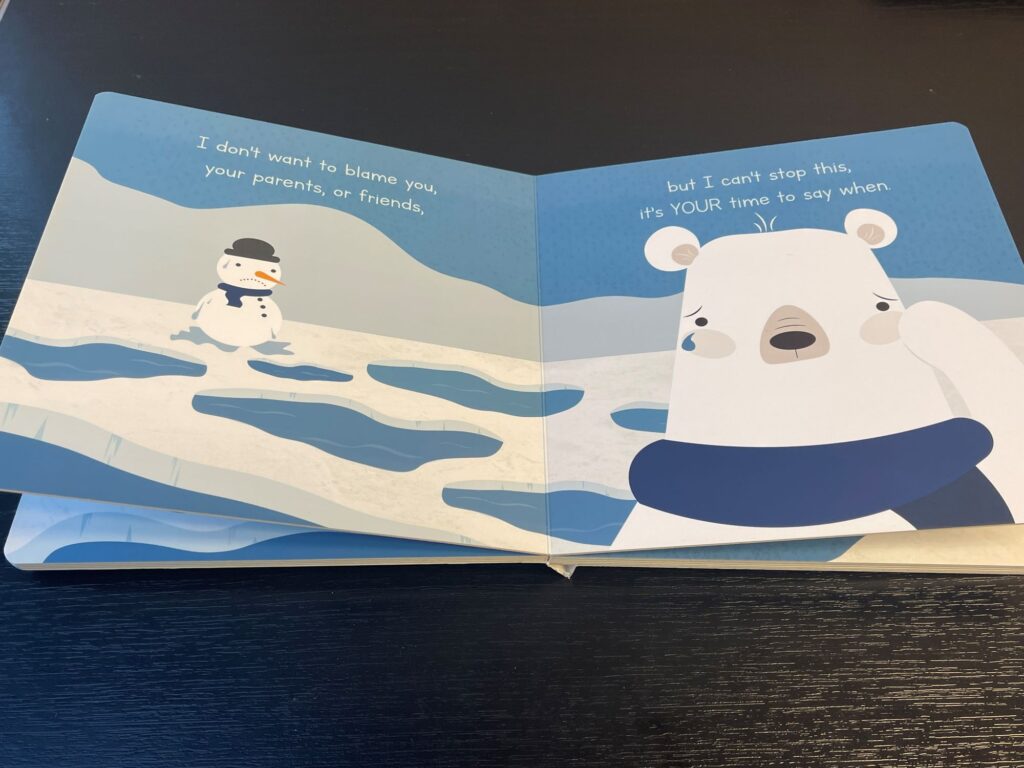
Board books are made by mounting printed sheets onto thick paperboard and then binding those boards together along the spine. Each “page” is essentially a solid board, making the book sturdy, long-lasting, and easy to handle. Pages are able to layflat seamlessly as well.
Best for:
- Children’s picture books (especially for babies and toddlers)
- Early learning and educational books
- Interactive or novelty books (lift-the-flap, touch-and-feel)
Seamless Layflat Binding
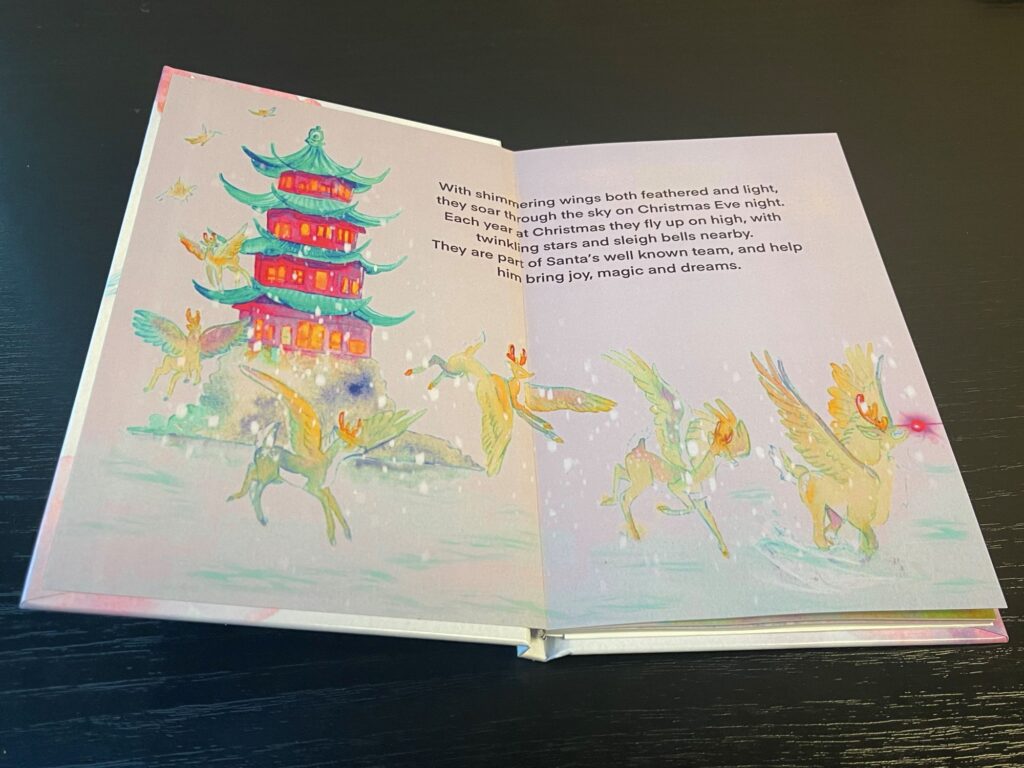
Seamless layflat binding, also called flush mount or butterfly binding, allows pages to open completely flat, giving you a seamless two-page spread
Pages are printed as spreads and mounted back-to-back with a hinge in the gutter. Unlike traditional binding, where the inner margins (gutter) create a visible fold and can hide part of the image or text, layflat binding allows the pages to spread completely flat with no gutter loss.
Best for:
- High-end photo books
- Wedding albums
- Art and landscape photography
Saddle Stitch and Thread Stitch Binding
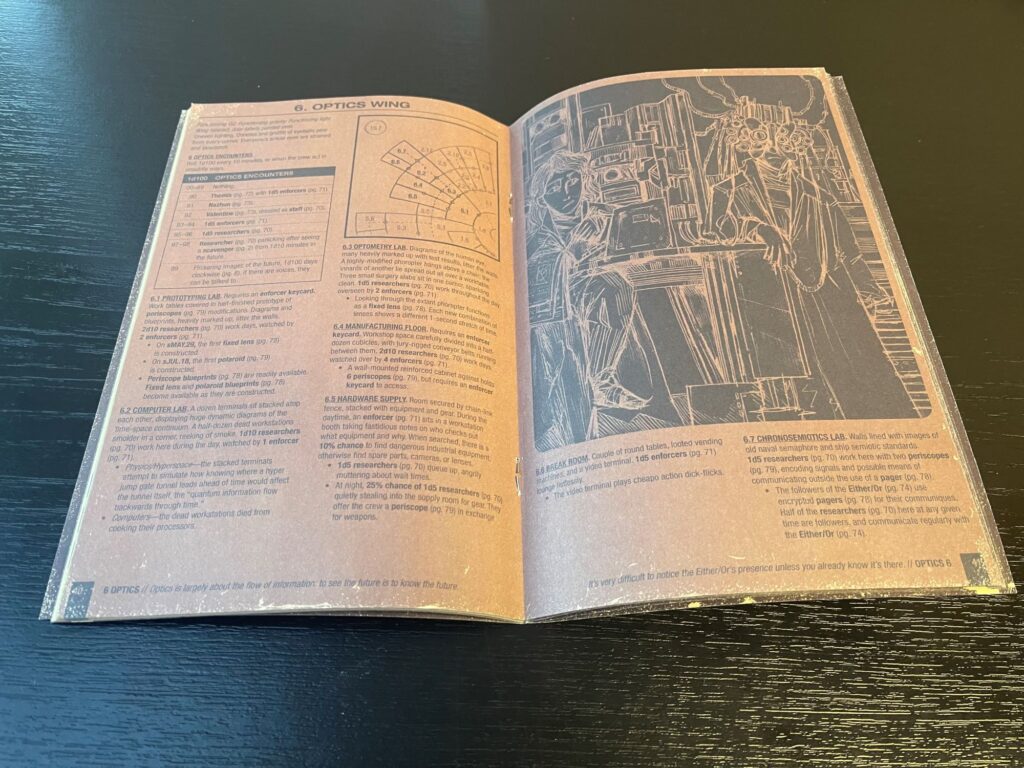
Saddle stitch binding is created by folding sheets in half and fastening them through the fold (the spine) with metal staples. It’s one of the simplest and most economical binding methods.
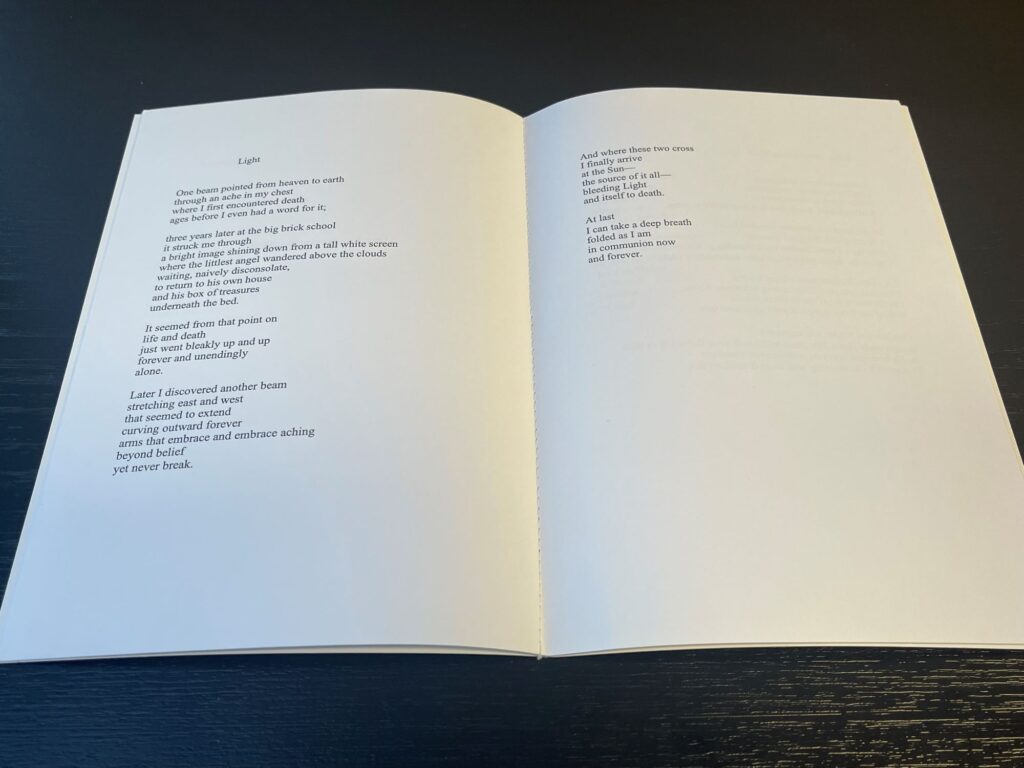
With thread stitching, a simple line of sewing holds the pages together so the finished book is secure & stylish.
Best For
- Booklets and brochures
- Magazines and catalogs
- Programs, zines, and newsletters
Wire-O and Coil Binding
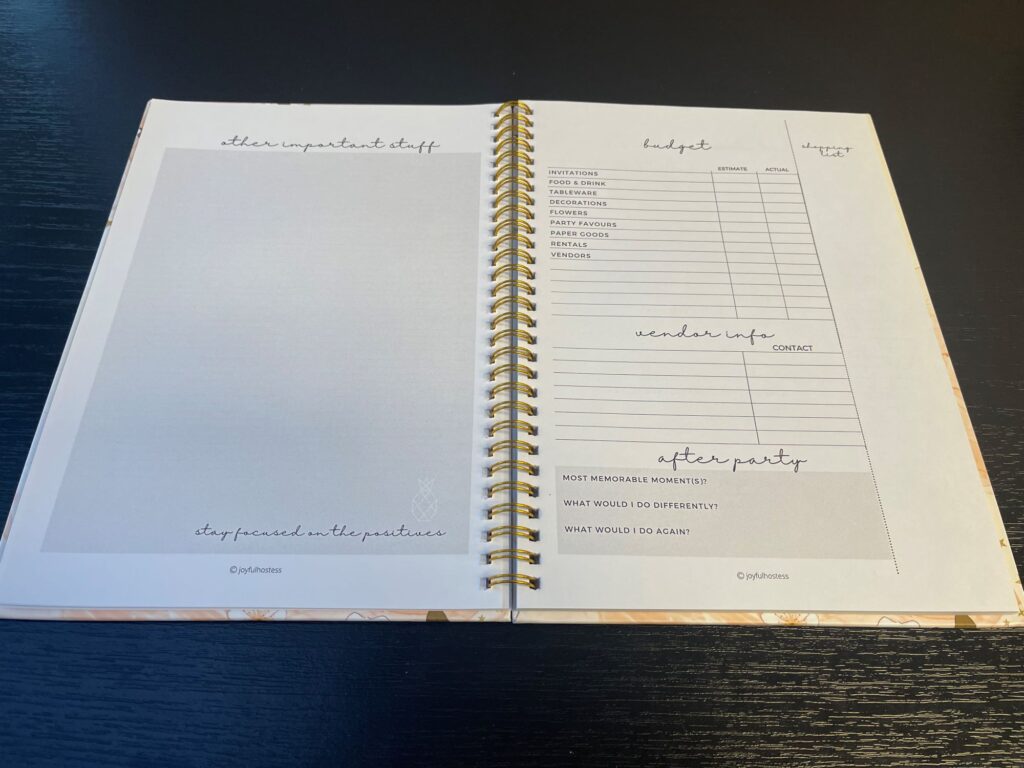
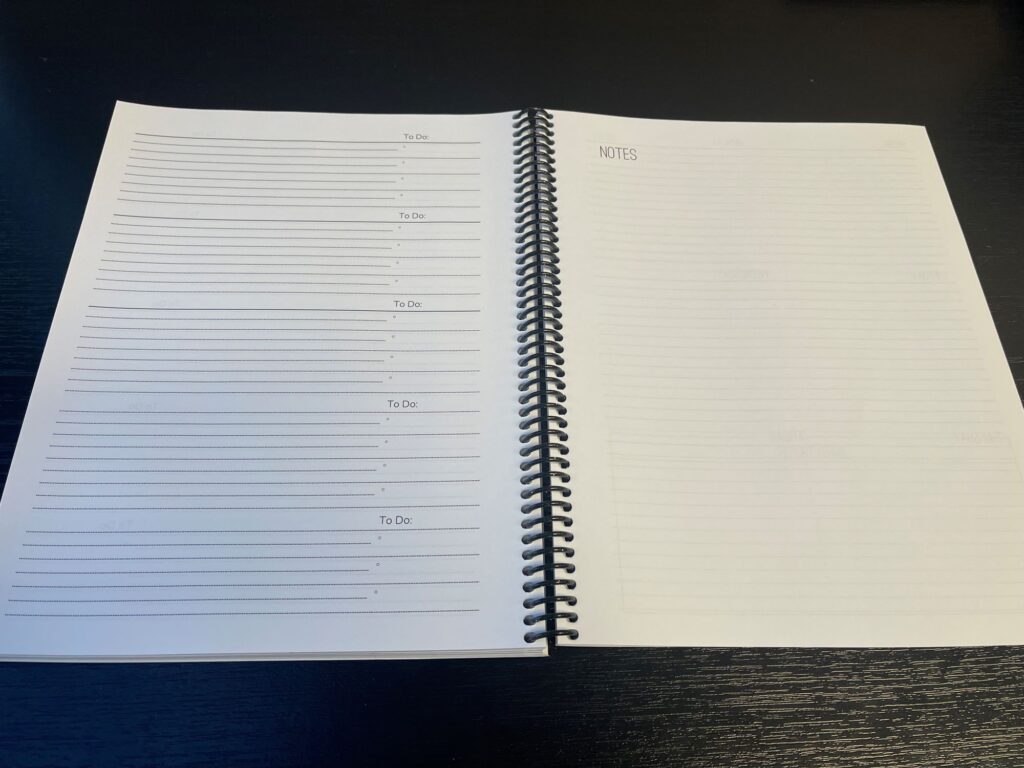
Wire-O and Coil binding are two popular types of spiral-like book bindings that allow pages to turn easily and often lie flat. Pages are punched and bound with wire or plastic coils, allowing them to rotate freely. Wire-O and Coil books can lay perfectly flat without holding the book open and can fold back on itself.
Best for:
- Cookbooks
- Training manuals
- Calendars and notebooks
Choosing the Right Layflat Binding
When selecting a layflat binding, consider:
- Purpose: Is the book meant to be used, displayed, or sold at retail?
- Durability: Will it be opened frequently?
- Aesthetics: Traditional, modern, or design-forward?
- Budget: Some layflat methods are more labor-intensive than others
No single binding is “best” for every project—only best for your project.
Final Thoughts
Layflat binding elevates a book from ordinary to exceptional by improving readability, usability, and overall experience. Understanding the differences between binding methods ensures you choose one that complements both your content and your audience.
If you’re unsure which layflat option is right for your book, contact us to speak to one of our trained team members!