One of the most important steps before moving into full production is reviewing an electronic proof. This stage acts as your final checkpoint, giving you the opportunity to catch errors, confirm design choices, and ensure everything looks exactly as intended.
What Is an Eproof?
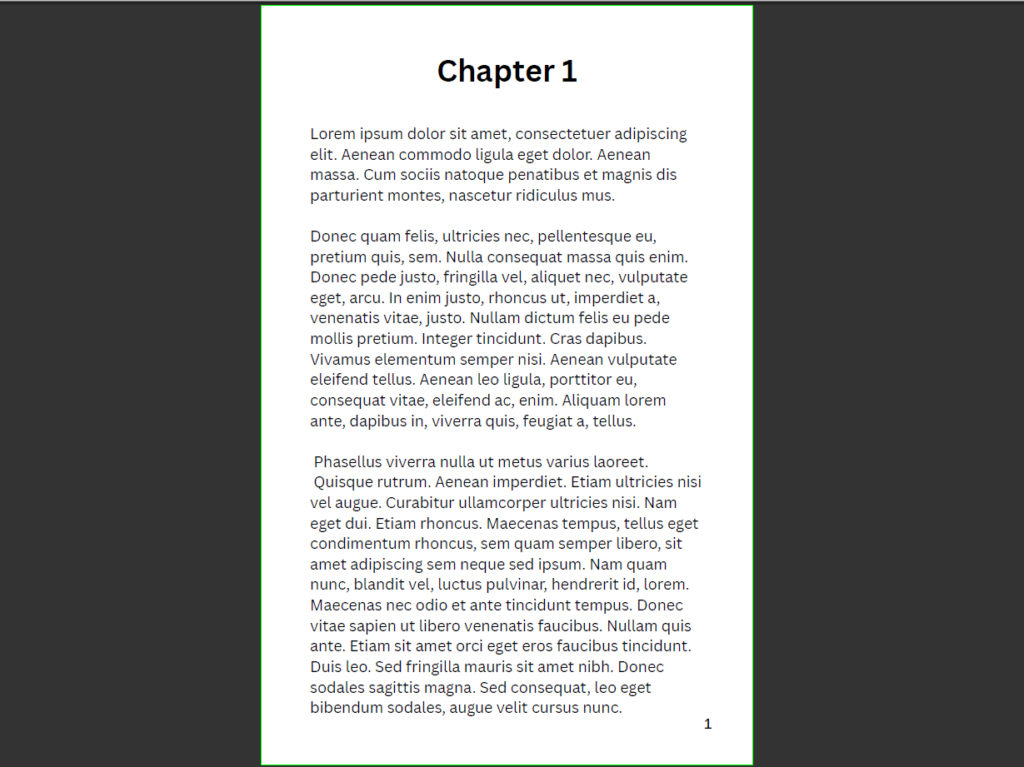
An electronic proof, often called an “eproof”, is a final preview of your book as it will appear in print. It is a production eproof that includes all layout elements—text, images, margins, bleeds, colors, and cover design—compiled into a file that simulates the finished product.
Importantly, this proof is generated after the file has been imposed. Imposition is the process preparing the PDF for printing by arranging pages into printer spreads so they will print, fold, and bind correctly. During the imposition process, any incompatible settings in the submitted file—such as missing fonts, transparency settings, or special symbols—may cause the layout or appearance to change automatically. These changes reflect the original file setup and technical limitations of the system, not modifications made by us.
While it’s not a physical copy, it provides a highly accurate representation of how your book will look once printed.
Why Electronic Proofing Matters
The eproof is your final chance to check your files before printing. Since we are not the creators of the submitted files, we cannot ensure that they are fully compatible with printing or free from other potential issues. The eproof stage is where these issues usually become visible, giving authors the opportunity to review and approve the file before printing.
1. Catching Errors Before It’s Too Late
Formatting inconsistencies are common issues that may only become apparent when viewing the book as a whole. The eproof is your final check before printing An electronic proof allows you to review everything in context and make corrections before printing hundreds—or thousands—of copies.
2. Avoiding Costly Reprints
Printing errors can be expensive. Once a book goes to press, changes are no longer simple or cheap to fix. Without reviewing a proof, you risk discovering mistakes only after production is complete. Taking the time to approve an electronic proof helps prevent unnecessary reprints, saving both time and money.
3. Ensuring Design Accuracy
Your book’s layout and design are just as important as its content. The electronic proof lets you confirm that fonts, spacing, image placement, and alignment appear exactly as intended. It also ensures that elements like bleeds and trim lines are properly set up, preventing unintended cropping or white edges.
4. Verifying Pagination and Binding Setup
Because the proof is created after imposition, it also allows you to confirm that pages are ordered and grouped correctly for binding. This is especially important for saddle-stitched or perfect-bound books, where page sequencing and spreads must align precisely for the finished book to read properly.
5. Checking Technical Specifications
There are certain production guidelines in book printing, and an electronic proof ensures your files meet those standards. This includes correct page size, margins, spine width, and file formatting. Approving the proof confirms that everything is aligned with these specifications.
6. Final Approval
Approving an electronic proof is typically the last step before printing begins. It serves as your official sign-off that the files are ready for production.
What a Production Eproof is NOT For
Because this file is already set up for production, only minor or critical changes can be made at this point. A production Eproof is not intended for proofreading or copy editing—this is NOT a stage for redesign or major content changes—it’s a technical check of how your will file print.
Best Practices When Reviewing Your Proof
- Review it carefully and slowly—don’t rush the process.
- Check every page, not just a few samples.
- Pay attention to spreads and page order, especially since the file is imposed.
- Have a second set of eyes review it—fresh perspectives catch more errors.
Final Thoughts
An electronic proof is more than just a formality—it’s a critical quality control step in the book printing process. Because it is created after imposition, it gives you a true-to-production view of how your book will be printed, folded, and bound.
Taking the time to review it thoroughly ensures your book is professional, polished, and exactly what you envisioned. Skipping this step or rushing through it can lead to avoidable mistakes, unnecessary costs, and disappointment. By treating the electronic proof as your final opportunity to perfect your book, you set yourself up for a successful and stress-free printing experience.